Orthopedic injuries
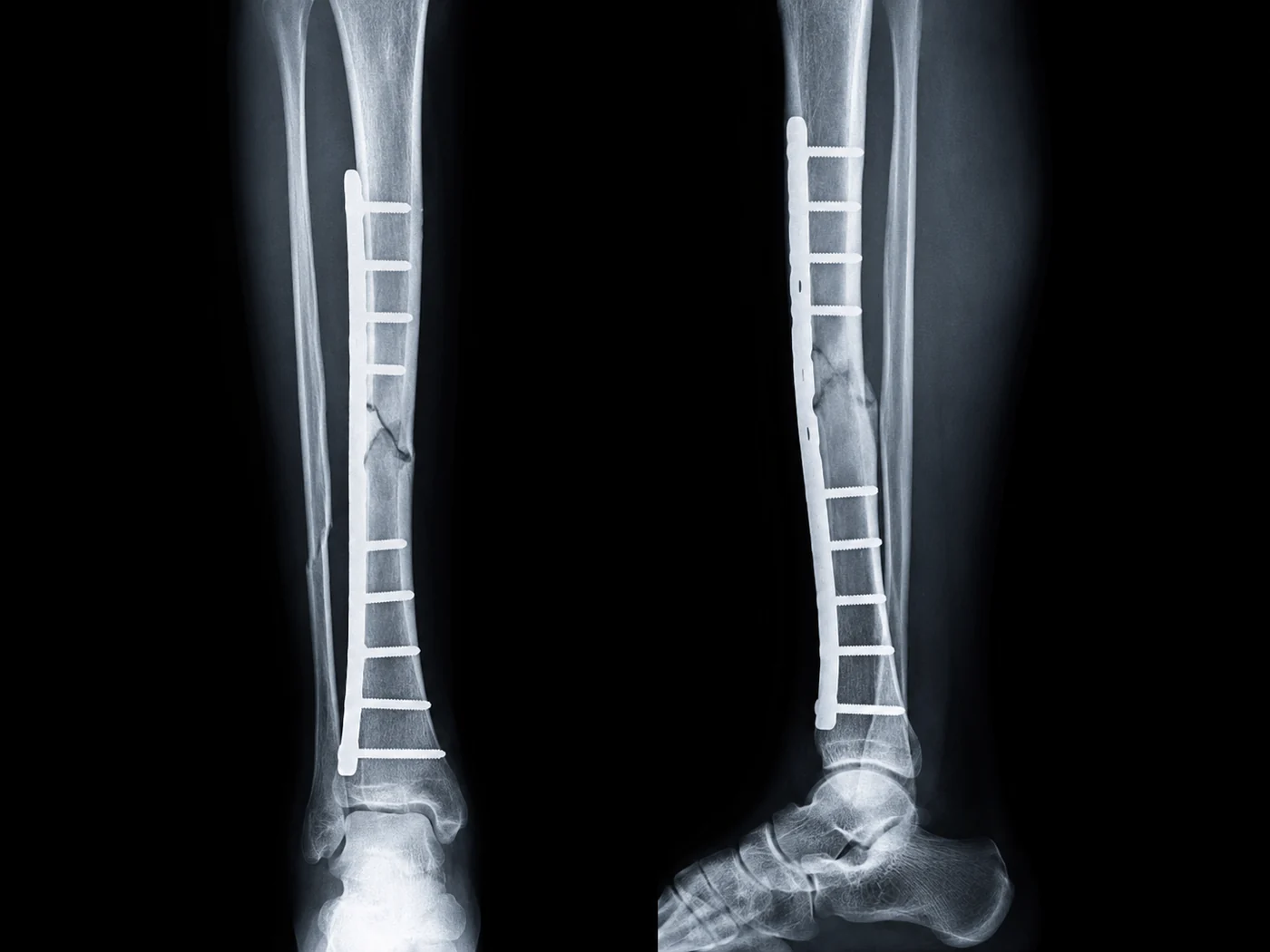
Fractures, joint injuries, tendon tears, and post-surgical conditions may affect mobility, work, recreation, and independence.
Serious Injuries
In serious personal-injury litigation, diagnosis alone is not enough. The medical record should show the mechanism of injury, objective findings, treatment, functional limitations, surgery when applicable, and the lasting consequences of the harm.
Issues we evaluate
Medical proof
A strong medical presentation often organizes emergency findings, imaging, specialist care, procedures, therapy, objective limitations, and the progression of symptoms over time.
When causation or permanency is disputed, treating physicians, radiologists, specialists, and other qualified experts may be needed to explain the evidence.
What the case may involve
Fractures, joint injuries, tendon tears, and post-surgical conditions may affect mobility, work, recreation, and independence.
Spinal, nerve, radicular, and brain injuries may involve pain, weakness, sensory loss, cognitive symptoms, and other functional consequences.
Long-term claims should be supported by objective medical evidence, treatment history, functional proof, and a credible explanation of future limitations.
Local representation
Deliso Law focuses on significant personal-injury matters where the medical evidence and long-term consequences require careful development.
Serious Injuries questions
The answer depends on the applicable law and the facts. From a practical case-development standpoint, fractures, surgery, neurologic injury, significant limitations, disfigurement, and lasting impairment often require substantial medical proof.
A chronology helps connect the incident, initial complaints, objective testing, treatment, procedures, improvement or persistence, and present limitations in a clear sequence.
Pre-existing or degenerative findings do not automatically resolve causation. The relevant question is what the medical evidence shows about the condition before and after the event, the timing of symptoms, imaging, treatment, and qualified expert interpretation.
Free case review
There is no attorney’s fee unless the firm obtains a recovery.